
BREATHWORK FACILITATOR TRAINING
Next Cohort Begins September 25th.
Join our waitlist for early access.
An immersive certification
This certification is designed to empower individuals with the knowledge, embodiment, and skillset required to confidently lead 1:1 and group breathwork sessions. Rooted in science, somatics, and sensory facilitation, this training blends breath physiology, nervous system education, and immersive experiential practice with tools for professional facilitation and business building.
MEET YOUR CERTIFICATION INSTRUCTORS
-
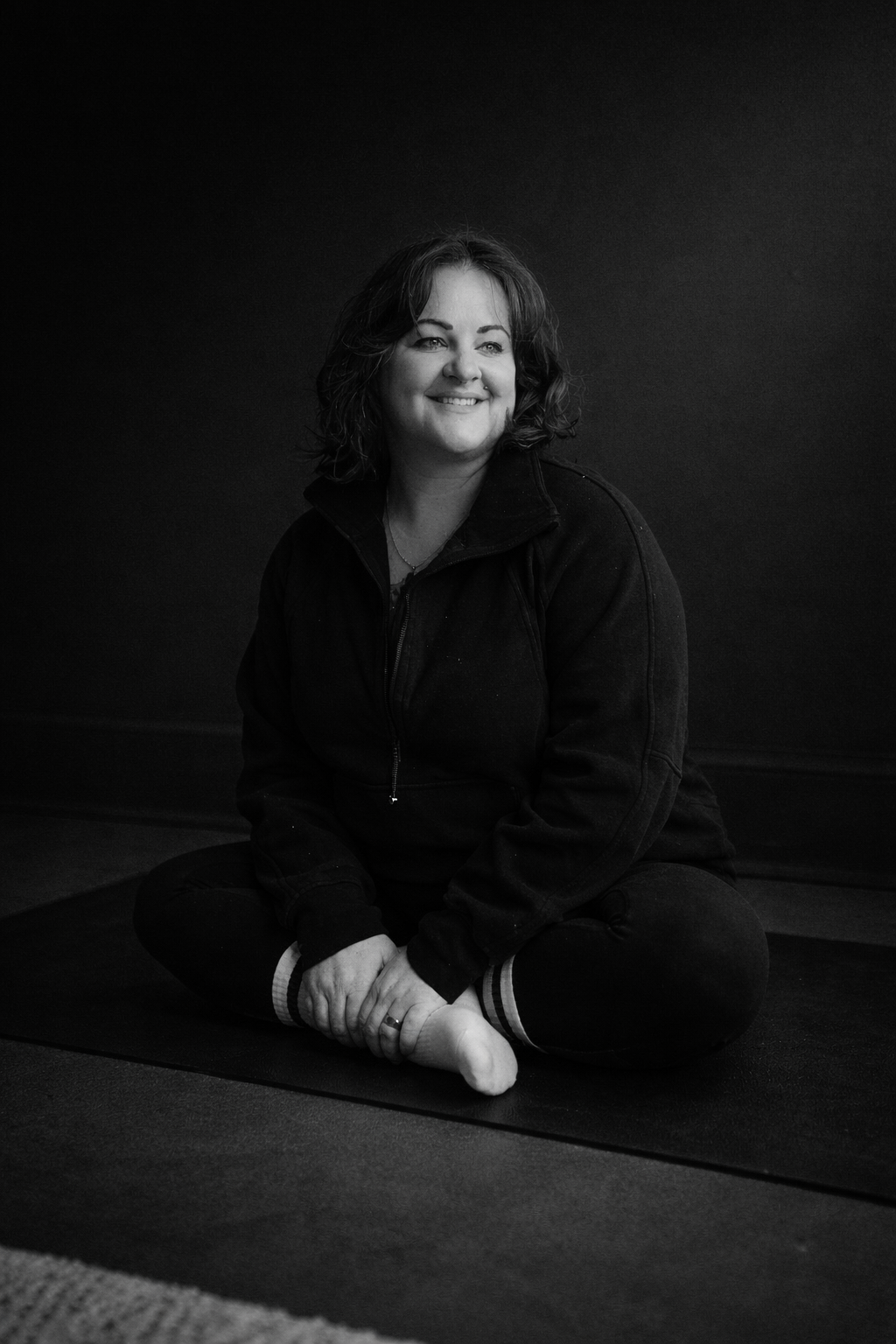
Susan Benoit is a breathwork facilitator, coach, and speaker known for her ability to create grounded, supportive environments where real change can happen.
Her work blends the science of nervous system regulation with a deeply intuitive, human approach — helping people reconnect with their breath, process what’s held in the body, and build a greater sense of awareness and control.
Through her work with Submerge, Susan has guided individuals, groups, and corporate teams through transformative breathwork experiences that emphasize safety, presence, and integration.
What sets her apart is her presence — calm, attuned, and deeply intentional — allowing others to feel supported as they explore and expand their capacity.
-
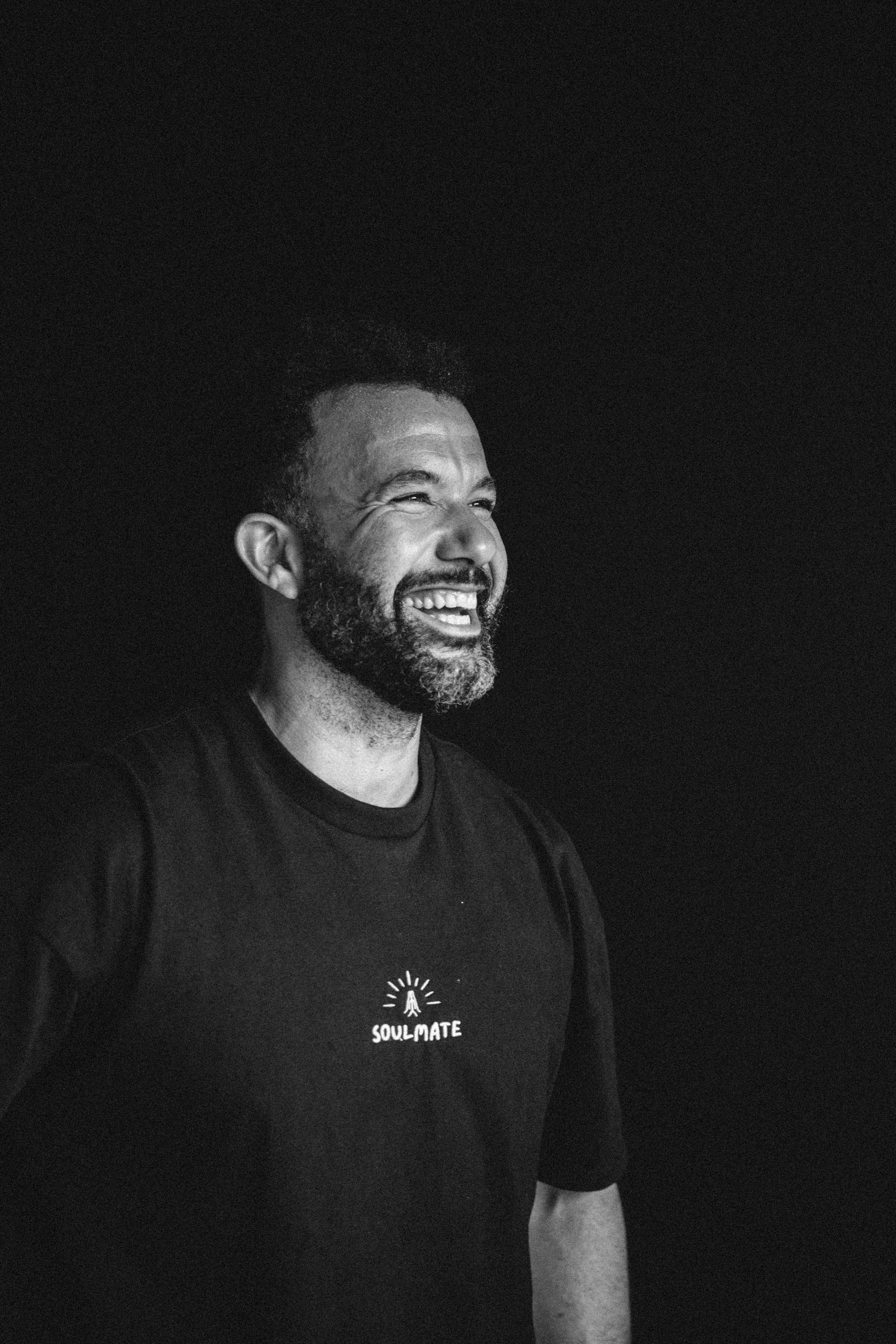
Tarik Hassan is the co-founder of Submerge and a breathwork and performance coach focused on helping people build strong minds, regulated systems, and resilient bodies.
With a background in strength and conditioning, his work sits at the intersection of physical performance and nervous system training. He specializes in teaching people how to use their breath to improve recovery, manage stress, and perform under pressure — whether that’s in the gym, at work, or in high-stakes environments.
Through Submerge, Tarik has worked with individuals, teams, and organizations to deliver practical, results-driven experiences that go beyond theory. His approach is simple: teach what works, apply it in real time, and build skills that actually transfer into everyday life.
What Sets Our CERTIFICATION Apart
-
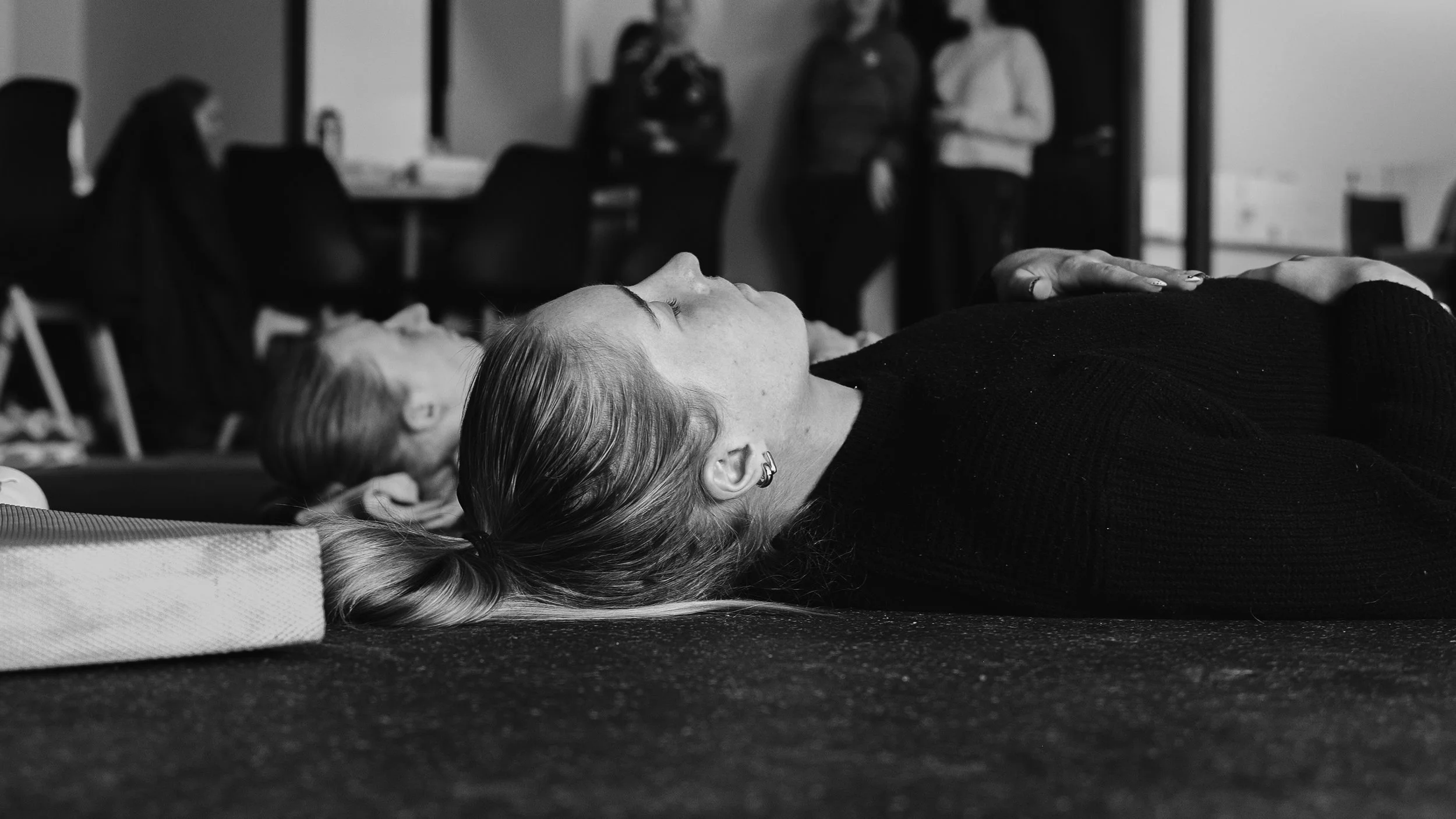
This is not a hyperventilation-heavy or purely cathartic training.
We teach breath through the lens of physiology and regulation.
Functional breathing mechanics
CO₂ tolerance and biochemistry
Nervous system literacy
Regulation before activation
Breath isn’t just a state-shifting tool.
It’s the gateway to nervous system regulation.You will understand not only how to guide breath — but what is happening in the body and brain as you do.
Applied with precision. Guided with safety. Backed by physiology.
-
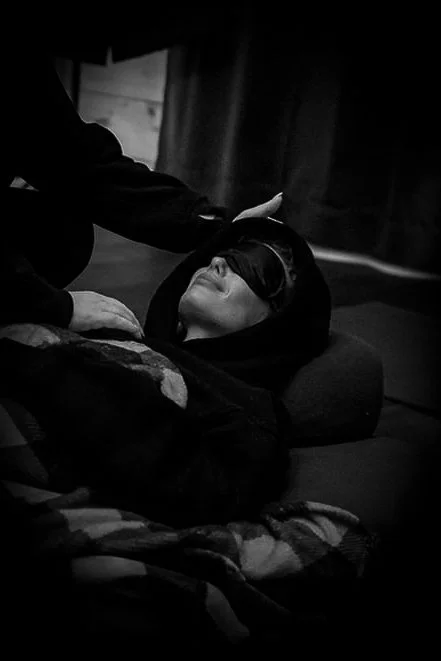
Most programs teach breath patterns.
We teach session architecture.
You will learn:
How to structure 25, 45, and 60-minute sessions
How to design progressive 4-week breath series
How to build emotional arcs safely
How to read regulation cues in a room
How to give clear, confident somatic cueing
Breath patterns are tools. Facilitation is the craft.
-
Many certifications are delivered entirely online.
This training is intentionally different.
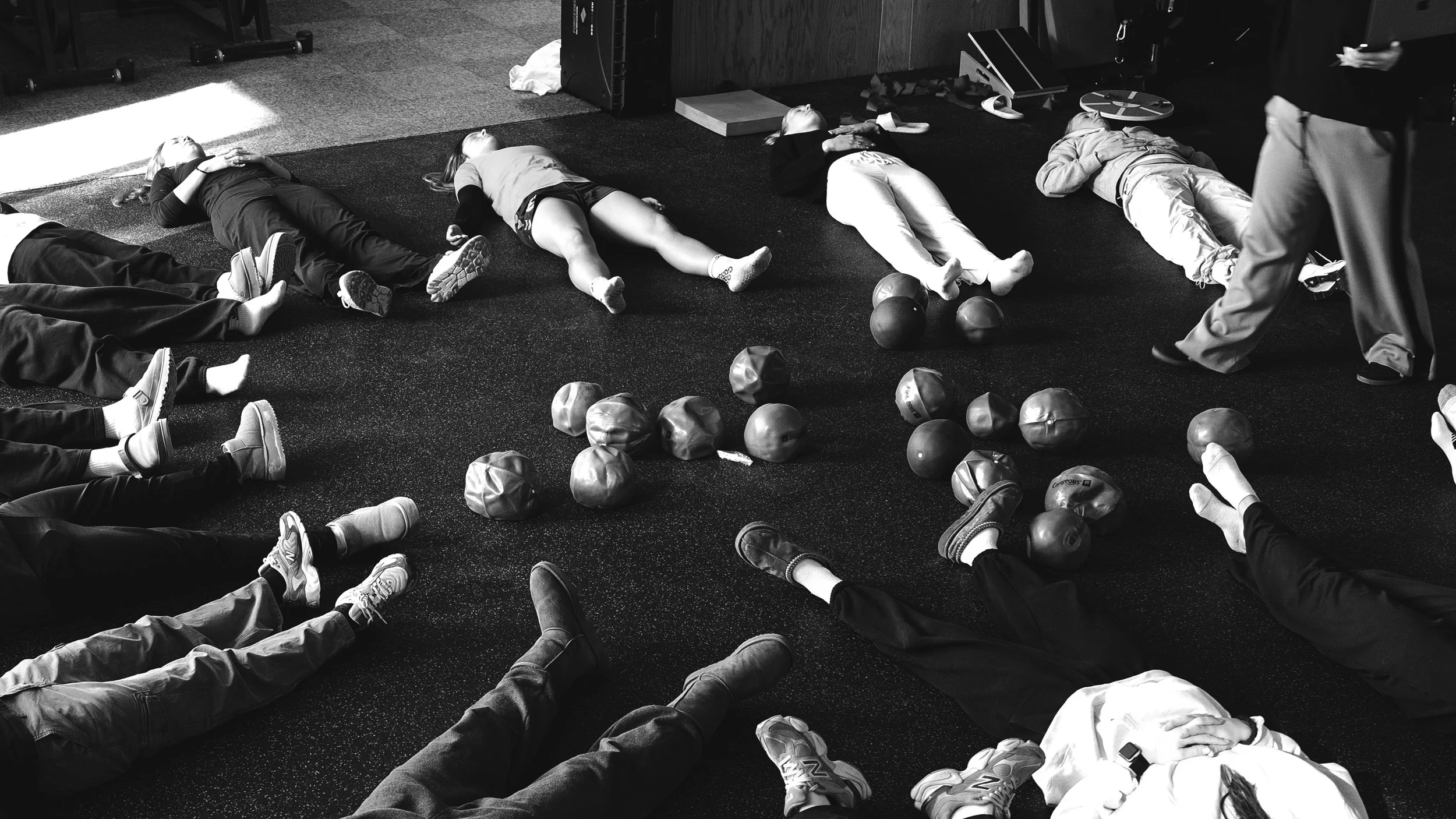
You will learn inside the room — not just behind a screen.
Your development includes:
Three in-person immersive weekends
Live group facilitation practice
Real-time feedback while you lead
Observation of regulation and dysregulation in group settings
20+ facilitated sessions before graduation
Video submissions and case studies
You will graduate having already facilitated extensively — not just studied how to.
This is mentorship. Not just certification.
Who this is for

This immersive breathwork certification was designed for health and wellness professionals, coaches, clinicians, breathwork practitioners and anyone passionate in learning more about breath as a tool for nervous system regulation and transformation.
-
Strength Coaches / Performance Coaches
For coaches who want to understand what’s happening beneath the lift — not just coach the outcome.
Breath is not just a technique.
It directly influences gas exchange, pressure systems, and nervous system state
— all of which impact performance, fatigue, and recovery.
You’ll learn how to:
• Understand CO₂ tolerance and oxygen delivery and how they affect output
and endurance
• Work with ribcage mechanics and intra-abdominal pressure for true
stability and force transfer
• Identify when a client is over-bracing, gripping, or stuck in a stress
response
• Read breathing patterns in real time and adjust your coaching accordingly
-
For clinicians who want to bridge physiology with practical, body-based
application.
Breath sits at the intersection of biochemistry, the nervous system, and
mechanical function. This training gives you a way to integrate that
understanding into real-time client care.
You’ll learn how to:
• Understand gas exchange (O₂/CO₂ balance) and its role in symptoms like
fatigue, anxiety, and dysregulation
• Assess breathing mechanics and patterns as part of a broader clinical
picture
• Recognize how breath reflects nervous system state and adaptive patterns
• Apply breathwork safely within scope to support regulation, resilience, and
recovery
-
For teachers who want to go beyond traditional pranayama and understand the
why behind the breath.
Breath is more than rhythm — it’s directly tied to nervous system state, pressure
systems, and how the body organizes itself in movement.
You’ll learn how to:
• Understand the relationship between breath mechanics, posture, and
movement patterns
• Work with breath to influence regulation vs activation, not just relaxation
• Recognize when breath cues are helping vs creating more tension or
compensation
• Guide breath in a way that supports both the physical and internal
experience of the practice
-
For therapists who want to integrate the body into the therapeutic process in a
safe and meaningful way.
Breath offers a direct pathway into the nervous system and physiological state —
often reaching what cognitive processing alone cannot.
You’ll learn how to:
• Understand how breath reflects states of safety, stress, and protection
• Recognize patterns like holding, shallow breathing, or over-breathing as
part of a client’s presentation
• Use breath to support regulation, emotional processing, and integration
• Stay grounded in scope while incorporating somatic awareness and tools
-
For those who feel called to guide others and want a strong, grounded
foundation.
This isn’t about memorizing techniques.
It’s about understanding:
• what’s happening in the body
• why you’re choosing a certain approach
• and how to adapt in real time
You’ll learn how to:
• Understand breath through mechanics, biochemistry, and nervous system
function
• Recognize different breathing patterns and what they indicate
• Build and guide sessions with structure, intention, and safety
• Read the room and respond to what’s actually happening — not just follow
a scriptAcross all roles, this work is about:
Understanding breath as a physiological, mechanical, and neurological process
Learning to observe before you intervene
Knowing when, why, and how to apply what you’re using
Level one
This immersive breathwork certification was designed for health and wellness professionals, coaches, clinicians, breathwork practitioners and anyone passionate in learning more about breath as a tool for nervous system regulation and transformation.
-
Weekend 1: Foundations of Breath, Body & Nervous System
(Understanding → Early Embodiment)
This weekend builds the foundation— not just learning breathwork, but
understanding what’s happening in the body.
• Anatomy & physiology of breathing
• Biochemistry of breath (CO₂ tolerance, O₂ exchange, pH balance)
• Mechanics of breathing (diaphragm, ribcage, accessory muscles)
• Functional vs dysfunctional breathing patterns
• Nervous system regulation (sympathetic vs parasympathetic)
• Introduction to Polyvagal Theory
• States: fight, flight, freeze, fawn
• Breath as a tool for regulation vs activation
• Introduction to the fascial network + breath relationship
• Somatic awareness + interoception
• Recognizing tension patterns and holding
Focus: Understanding the body + beginning to feel it
Weekend 2: Somatics, Language & Session Design
(Embodiment → Facilitation Foundations)
This weekend shifts from learning → applying.
• Core breathwork techniques (nasal, cadence, sigh, intro to holds)
• Safety + when and why to use each
• Self-exploration + guided breathwork experiences• Partner practice + foundational cueing
• Deepening somatic connection + self-awareness
• Tracking sensation, emotional awareness, internal shifts
• Self-regulation vs co-regulation
• Language, cueing, and facilitator presence
• Tone, pacing, and creating safety through words
• Finding your authentic voice as a guide
• Session design fundamentals
◦ Structuring 1:1 sessions
◦ Structuring group sessions
◦ Building the arc (warm-up → technique → integration)
◦ Timing (25–60 min sessions)
• Introduction to facilitation (1:1 + small group)
• Practice teaching (10–20 min segments)
• Real-time feedback + refinement
Focus: Feeling → communicating → beginning to guide
Weekend 3: Facilitation, Mastery & Integration
(Facilitation → Mastery → Application)
This weekend is about stepping fully into the role of facilitator.
• Holding space in real time
• PrProfessional boundaries
Call 2: Nervous System in Practice
• Recognizing dysregulation in real clients
• Applying breath for regulation vs activation
• Case-based discussion
Call 3: Protecting Your Energy
• Co-regulation vs over-giving
• Boundaries as a facilitator
• Managing your own nervous system while holding space
Call 4: Designing Sessions & Series
• Refining session structure
• Building cohesive client experiences
• Designing series and class offerings
Call 5: Enhancing the Experience
• Building out playlists
• Sensory elements (scents, environment)
• Creating inclusive, intentional spaces
Call 6: Business, Branding & Launch
• Building your offering
• Pricing and positioning
• Marketing with integrity
• Integrating breathwork into your current business
Practicum & Facilitator Development
• Completion of 2 x Case Studies provided by Submerge documenting client
intake, session design and what was observed
• 2 Videos of facilitation - one 1:1 breath session and one group session (3
or more people). (Length 45 - 60min for each video)• Personalized feedback will be shared upon completion of videos and case
studies
Certification Requirements:
• Full attendance for all training weekends and online calls
• 10 Hours minimum of Observation & Participation in Breath Classes
• Minimum 10 / 1:1 facilitated sessions (minimum 25 min in length, can be
started after first weekend of in person learning)
• Minimum 10 / group facilitated session (minimum 25 minutes in length, can
be started after the first weekend of in person learning)
• Submission of written case studies
-
• Comprehensive workbook
• Breathwork techniques workbook
• Access to Studio and its resources during certification period to practice
and for practicum
• Level 1 Functional Breath Facilitator Certification awarded upon successful
completion of practicum and all course requirements• Certification and professional recognition issued through the International
Breathwork Foundation (IBF) and the International Practitioner of Holistic Medicine (IPHM)
-
Three in person weekends:
• Friday September 25th (5pm - 9pm), Sat & Sun 26th & 27th (9am - 4:30pm)
• Friday October 23rd (5pm - 9pm), Sat & Sun 24th & 25th (9am - 4:30pm)
• Sat & Sun November 21st & 22nd (9am - 4:30pm)
Six online calls:
• Sundays Oct 4th, 11th, 18th Nov 1st, 8th, 15th
• 7am - 9am
• Calls will be recorded and shared
-
Pre Sale - $2999 +HST
Regular - $3599 + HST
Payment plans are available.
To secure your spot, a $500 non-refundable deposit must be made.
From Our Clients
Frequently Asked Questions
-
Most breathwork certifications teach techniques.
What to say. What pattern to follow. What protocol to run.But when you’re actually in a room with a real human… that’s not enough.
This certification is built around a different standard:
learning how to read, regulate, and respond in real time.We combine science, somatics, and live facilitation so you don’t just understand breathwork…
You know how to use it.
-
Yes — and this is one of the biggest reasons people choose this program.
Most certifications are online or theory-based.
You learn the material… but rarely get enough real-world reps to feel confident actually leading.This is different.
Our certification is built around in-person training and real practice inside a live studio environment.
You’ll have:
dedicated in-person weekends focused on application
access to the studio to practice and refine your facilitation throughout the program
real-time feedback as you develop your skills
opportunities to guide real people — not just observe
This kind of access is almost unheard of in most certifications.
Because confidence doesn’t come from watching.
It comes from repetition, feedback, and real experience. -
Yes! Upon completion of the certification, you will b professionally recognized through the International Breathwork Foundation (IBF) and the International Practitioner of Holistic Medicine (IPHM) which will allow you to get insurance.
-
To receive certification you need to attend all in person and calls. We understand life happens and we will work with people on a case by by case basis
-
We intentionally keep this certification small.
Because this is a hands-on, experiential program, we limit the number of participants to ensure:
everyone gets personalized feedback
there’s real opportunity to practice and facilitate
the learning environment stays focused and high-quality
Once spots are filled, registration closes.
-
That’s the goal.
Most people don’t lack knowledge — they lack reps.
Between the in-person training, studio access, and live facilitation opportunities, you’ll leave having actually done the work — not just learned about it.
Our focus is simple:
you walk away feeling clear, capable, and confident leading both 1:1 and group sessions. -
No.
We start with the foundations — mechanics, awareness, and understanding how the body and nervous system work.
From there, we build into more advanced applications and facilitation.
Whether you’re brand new or already experienced, the structure is designed to meet you where you’re at and progressively build your skill and confidence.
-
Beyond the scheduled sessions, your growth will come from practice.
We recommend setting aside time each week to:
apply what you’re learning
practice your own breathing
begin guiding others in simple ways
The more you put into it, the more you’ll get out of it.
That said, the program is designed to be realistic and manageable alongside work and life commitments.
-
Because this isn’t just information — it’s a skillset.
Most people have access to breathing techniques.
Very few know how to apply them effectively, or guide others through them.What you’re investing in is:
the ability to regulate yourself under stress
the skill to help others do the same
and the confidence that comes from real experience, not theory
This is something you’ll use daily — in your work, your training, and your life.
-
This certification is designed to build a real, usable skillset — not just improve your own breathing.
By the end of the program, you can expect to:
confidently guide both 1:1 and group breathwork sessions
understand how to assess and adapt to different individuals in real time
apply breathwork for stress, performance, and recovery in a structured way
integrate this into your existing work or begin offering it professionally
At the same time, you’ll experience the personal side of the work.
As you go through the training, most people notice:
improved breathing efficiency and awareness
better stress regulation and recovery
increased composure and control under pressure
But the focus is clear:
you’re not just leaving with personal benefits — you’re leaving with a skill you can use and apply immediately.